What Skylight Installation Involves
Skylight installation starts with choosing the right unit. Fixed skylights are the workhorses — no moving parts, just glass and a frame. Vented skylights open with a crank or motor, which helps pull hot air out of a Denver attic in July. Solar-powered blinds are a smart add for rooms that face west, where the afternoon sun can bake a living room. Sun tunnels, also called tubular skylights, are a different animal: a small dome on the roof feeds light down a reflective tube to a diffuser in the ceiling. They work well in tight spaces like a laundry room or a hallway.
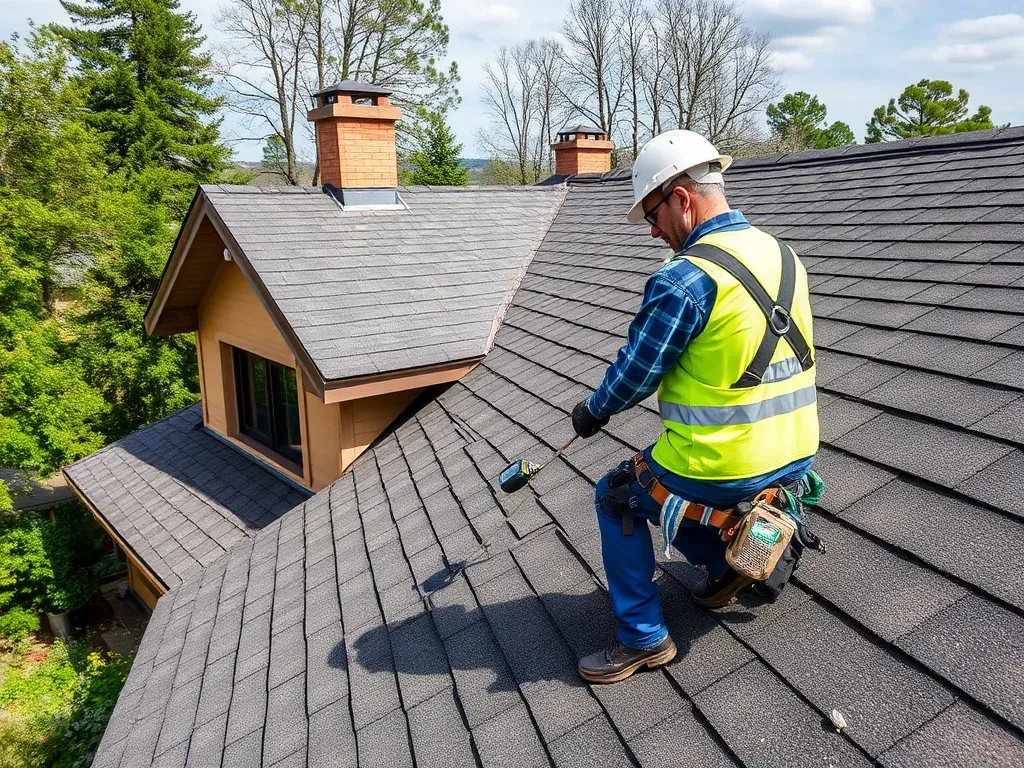
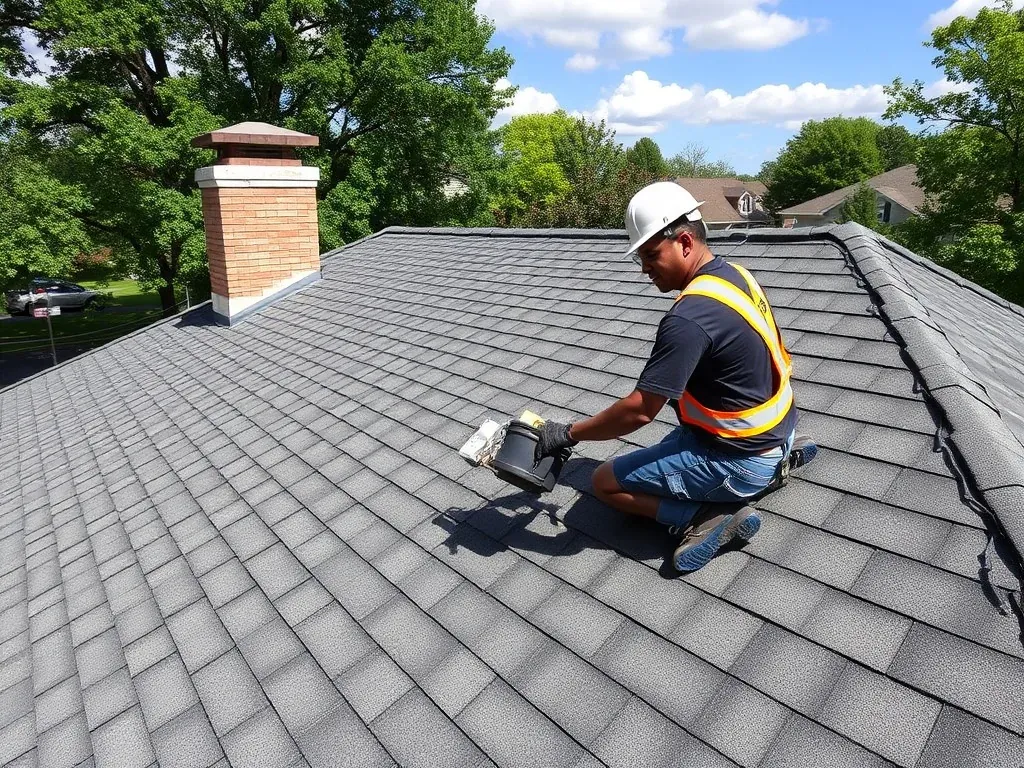
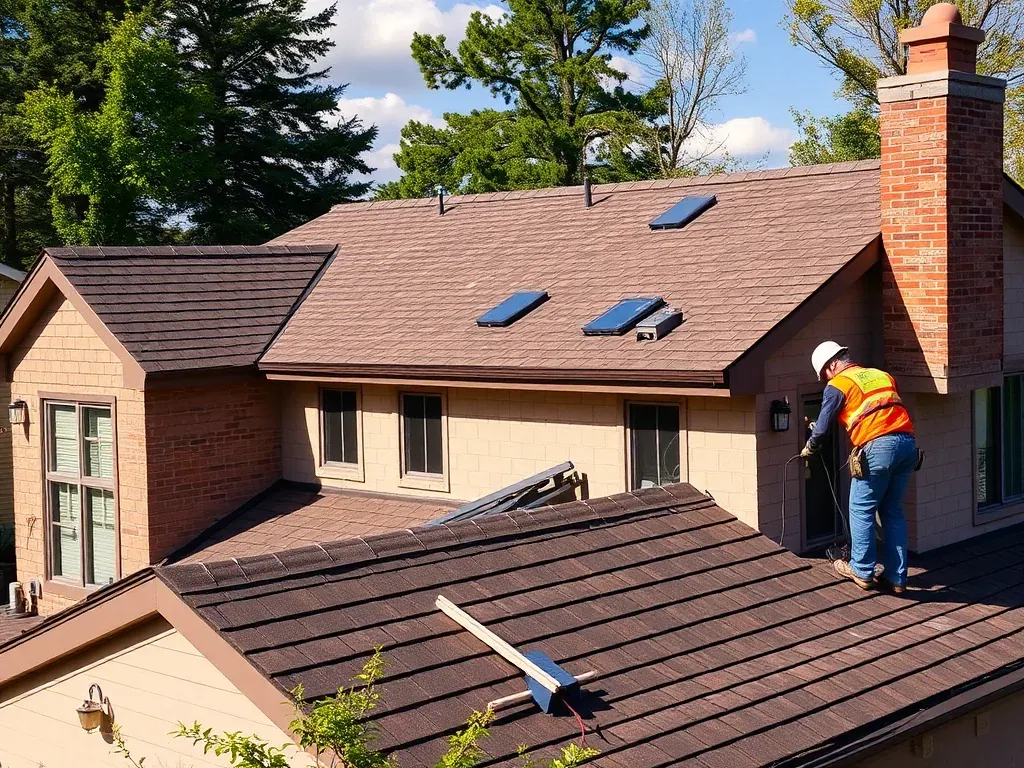
On the roof, the work is precise. We remove shingles in a rectangle about 6 inches wider than the unit. Then we set the skylight on a curb — a raised frame that sheds water — and wrap the base with self-adhered ice and water shield. That membrane is the real protection against Denver's sudden temperature swings, which can crack sealants that aren't flexible. The flashing, whether it's the manufacturer's step flashing or a continuous pan, gets integrated with the existing shingle courses. Ring-shank nails hold the flashing in place, and we hand-seal every exposed fastener. The goal is a unit that sheds water like the roof around it, not a bump that collects it.
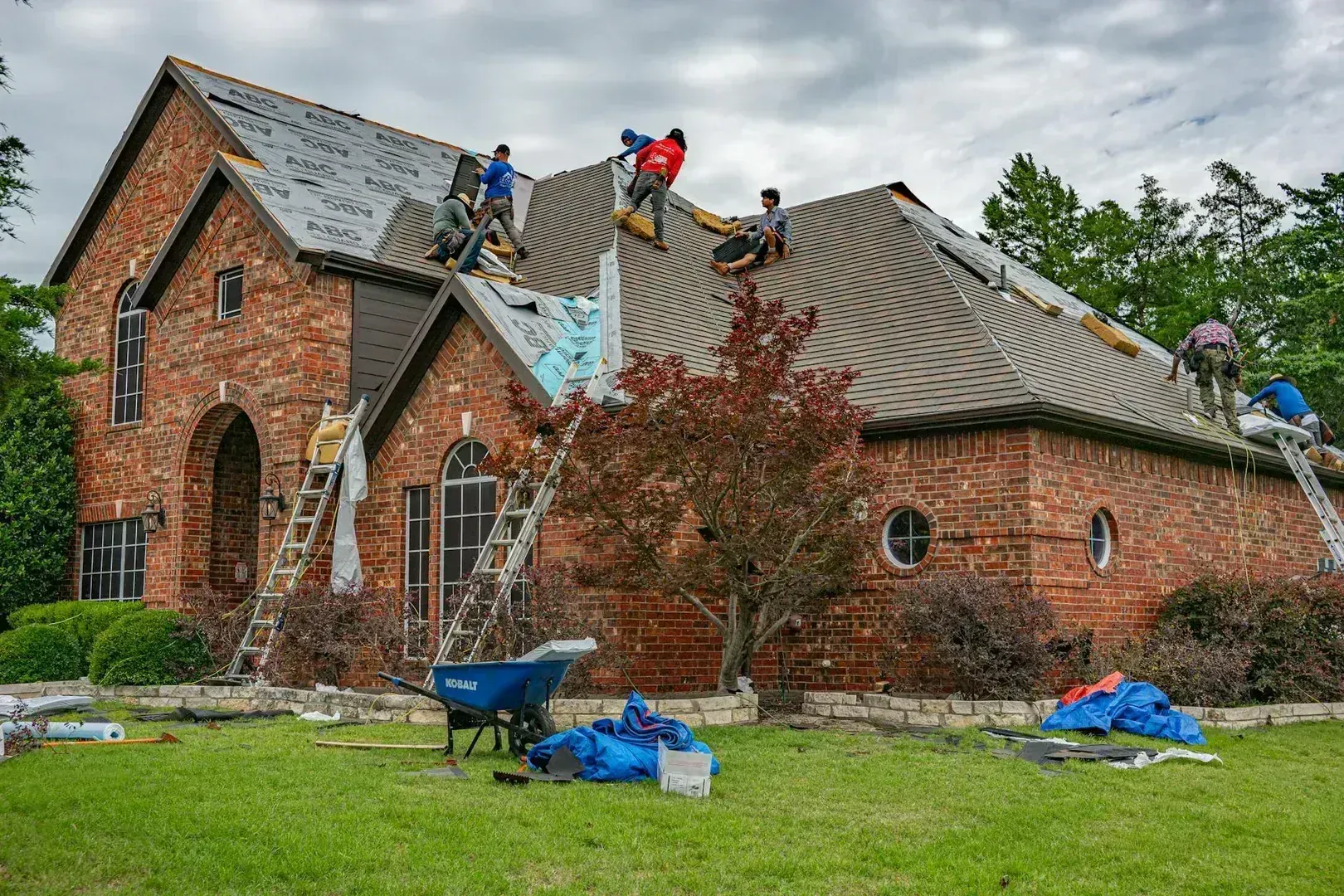
One thing we see often: a skylight installed by a handyman who didn't tie the flashing into the shingle courses properly. Five years later, water wicks along the decking and rots the rafters. That's why we're careful about the starter course and the staggered courses on the re-roofed section. If you're adding a skylight to an existing roof, we'll match the shingle pattern as best we can. If the roof is near end-of-life wear, we'll tell you straight up — it might make more sense to re-roof and install the skylight at the same time.
Signs You Need Skylight Installation
You're reading this because you want more light, or because you have a leak. Both are valid. Here's what to look for:
- Water stains on the ceiling directly under the skylight — that's a flashing failure, not a glass problem.
- Drafts around the skylight frame in winter. The seal has deteriorated, and cold air is seeping in.
- Condensation on the interior glass. That's a ventilation issue, and a vented unit can fix it.
- Visible gaps between the skylight frame and the roof deck. That's sunlight through the gap — and water will follow.
- The skylight is older than 20 years. The seals will start to flake and peel, and the glass unit may be losing its argon gas.
- You're remodeling and want to add light to a dark room. That's the best time — we can coordinate with the interior work.
Denver's climate is hard on skylights. Hailstorms with marble-sized hail can crack the glass or dent the flashing. Intense UV radiation at high altitude breaks down the sealants faster than at sea level. And sudden temperature swings — 60 degrees in a day — make the frame expand and contract, which stresses the seals. If you've had any of those, it's worth a look.
Our Skylight Installation Process
Here's how we work, from first call to final cleanup.
- Consultation and site check. We look at your roof pitch, the decking condition, and the ceiling structure below. We also check for obstructions — plumbing vents, electrical lines, or a ridge beam that can't be cut.
- Unit selection. We'll show you the options: VELUX for most homes, Solatube for sun tunnels. We'll talk about fixed vs. vented, and whether solar-powered blinds make sense for your sun exposure.
- Permit and preparation. We pull the permit from Denver County. We order the unit and schedule the installation.
- Installation day. We set up tarps and a debris chute. We cut the opening, frame the curb, and set the skylight. The flashing is integrated with the shingles, and we hand-seal every fastener. We use ring-shank nails for the flashing and self-adhered membrane at the base. The whole job takes one day for a typical unit.
- Interior finish. We frame the shaft down to the ceiling and drywall it, so you're left with a clean opening. If you've chosen a vented unit, we wire the switch or motor.
- Cleanup and inspection. We do a magnetic nail sweep to catch any stray fasteners in the yard. We walk the roof to check our work. We register your warranty with the manufacturer.
We don't cut corners on the decking. If we find rot or decay when we open the roof, we stop and show you. We replace only what's needed, and we tell you the cost before we proceed.
Cost Considerations in Denver
Skylight installation costs vary more than most roofing work because the unit itself ranges from $300 for a basic fixed skylight to $2,000 for a large vented unit with blinds. Labor in Denver runs $500 to $1,500 per unit, depending on roof pitch, the number of stories, and how much interior framing is needed. A sun tunnel is usually the cheapest option — around $800 to $1,200 installed. A large, custom skylight on a steep roof can hit $3,500.
What affects cost the most? The roof deck. If we open it up and find rot, that's extra. If the ceiling joists need to be cut and reframed, that's extra. We give you a firm quote before we start, and we don't surprise you at the end. A free estimate is just that — free, with no pressure.
Warranty & Insurance
Every skylight we install carries the manufacturer's warranty. VELUX offers a 10-year warranty on the glass and a 20-year warranty on the flashing — that's the part that usually fails. Solatube has a similar structure. We also back our workmanship for as long as we're in business. If a skylight we installed leaks, we come back and fix it, period.
If your skylight was damaged by hail or wind, your homeowners insurance may cover the replacement. We'll help you document the damage and work with your adjuster. We don't inflate estimates, but we also don't underbid the job. We'll tell you what it really costs, and we'll help you get the claim approved.
Why Choose Denver Roofing Team for Skylight Installation in Denver?
We've been working on Denver roofs for over a decade. We know the city's quirks: the 5,280-foot elevation where the sun is stronger, the hailstorms that seem to target certain neighborhoods, the old Victorians in Capitol Hill and the mid-century ranches in Washington Park. We've installed skylights in all of them. We show up on time, we communicate clearly, and we leave your yard cleaner than we found it. That's not a slogan — it's how we operate.
Signs You Need Skylight Installation
Water Stains Below the Skylight
If you see a brown ring on the ceiling directly under the skylight, the flashing has failed. Water is wicking along the decking and will rot the rafters if left alone.
Drafts in Winter
Feel cold air near the skylight when it's 20 degrees outside? The seal has deteriorated, and warm air is escaping. A new unit will stop the draft and lower your heating bill.
Condensation on the Glass
Moisture building up on the interior glass means the unit isn't venting properly. A vented skylight or a sun tunnel with a fresh-air option can fix this.
Visible Gaps Around the Frame
If you can see daylight between the skylight frame and the roof, water will find its way in. This is a flashing failure that needs immediate attention.
Unit Older Than 20 Years
Skylights have a lifespan, and Denver's UV radiation and hailstorms age them faster. If yours is old, the seals are likely flaking and the glass may be losing its insulating gas.
Remodeling and Wanting More Light
Adding a skylight during a remodel is the smart time to do it. We can coordinate with your contractor and leave you with a bright, leak-free room.
What's Included
- ✓ Free on-site consultation and unit selection guidance
- ✓ Permit pull with Denver County
- ✓ Self-adhered ice and water shield at the base
- ✓ Manufacturer warranty registration (VELUX or Solatube)
- ✓ Interior shaft framing and drywall finish
- ✓ Magnetic nail sweep and full debris cleanup
- ✓ Workmanship guarantee backed by Denver Roofing Team
Related Services
Ready to get started? Call us today at 7207840657 for a free estimate.
☎ Call 7207840657