What roof inspection Involves
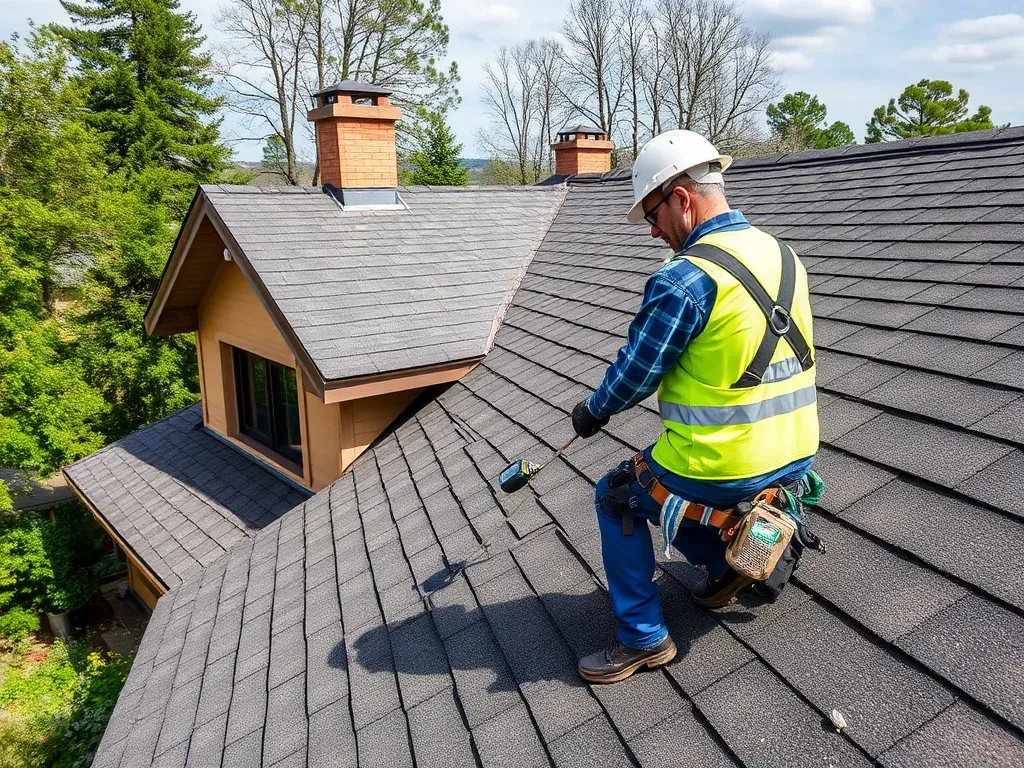
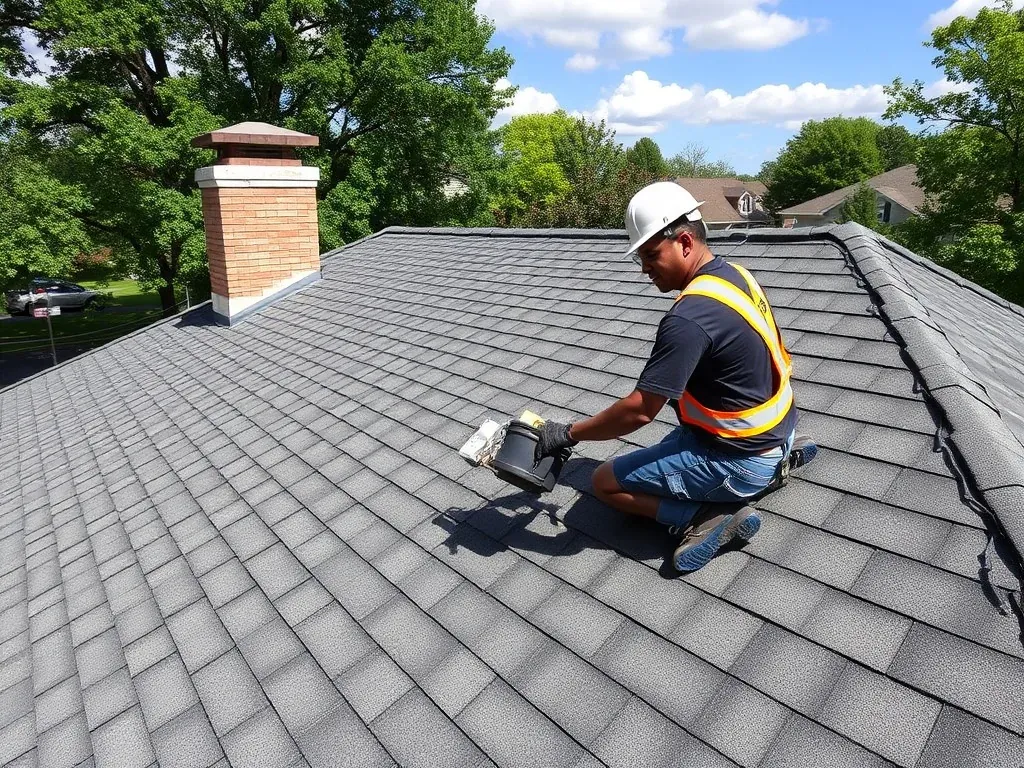
We start at the roofline, walking the perimeter and then the field itself. On a typical Denver home—say a 1,800-square-foot mid-century brick ranch in Washington Park—we cover every course of shingles, looking for granule loss, curling, or cracks that UV radiation at 5,280 feet accelerates. We check flashing at chimneys and skylights, inspect the valleys where water channels, and probe the decking for rot or sag. A moisture meter helps us find damp spots that aren't visible from the surface, and if we suspect hidden issues, we run an infrared scan to map temperature differences that signal trapped moisture. The final deliverable is a written report with photos of every finding, prioritized by severity.
Signs You Need roof inspection
You don't wait for a leak to call. After a hailstorm—like the marble-sized hail that pummeled Capitol Hill and Five Points last spring—you need a professional assessment even if the roof looks fine from the ground. Missing or curling shingles, granules collecting in your gutters, or daylight showing through the decking from the attic are all red flags. Ice dams along the eaves, caused by sudden temperature swings, can wick water under shingles and rot the decking. If you're buying a home, a pre-purchase inspection is non-negotiable; it can save you from inheriting a roof that's at end-of-life wear. And if your roof is over 15 years old, an annual checkup catches small problems before they seep into your ceilings.
Our roof inspection Process
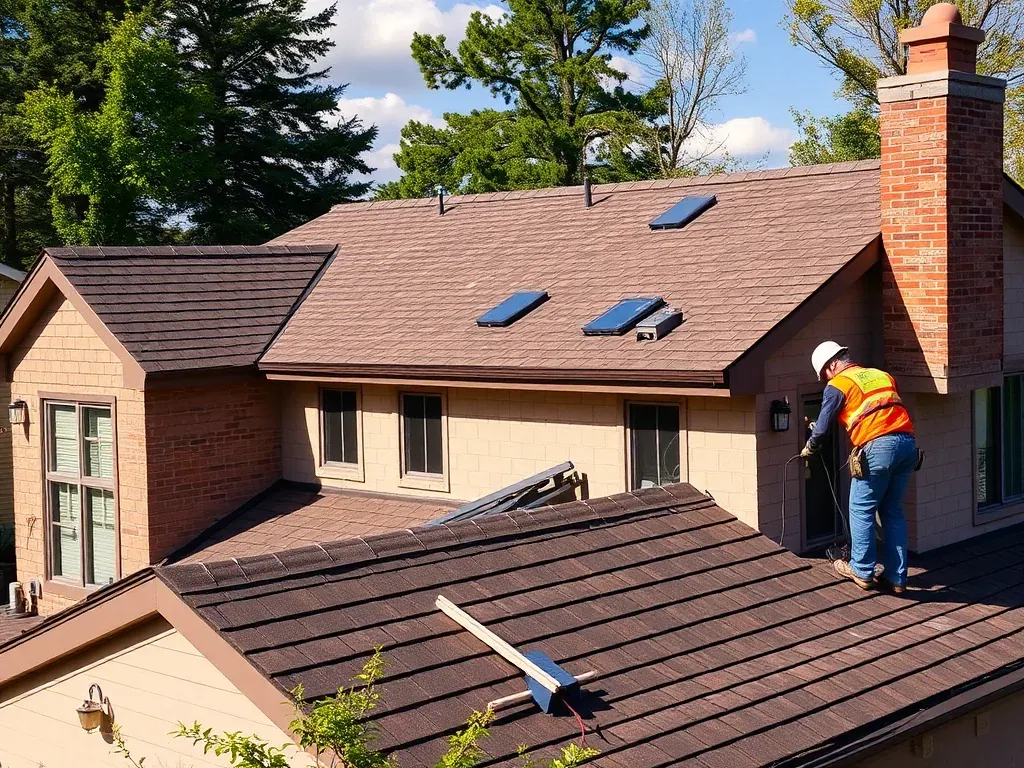
We follow a documented, step-by-step method that leaves nothing to chance. First, we review the roof's history—age, materials, any prior repairs—and check for obvious issues from the ground with drone imagery. Then we get on the roof: we inspect the starter course and field courses, looking for proper staggering and any lifted or missing shingles. We check all penetrations—vents, pipes, skylights—and verify that flashing is intact and sealed. We use a moisture meter on suspect areas and an infrared scan when we need to see through the surface. Finally, we compile a written report with photos, a summary of findings, and repair recommendations ranked by urgency. You get the full picture, and we answer every question you have.
Cost Considerations in Denver
A roof inspection in Denver typically runs $150–$400 for a standard residential roof, depending on size and complexity. That's a small price when you consider the alternative: a hidden leak that rots your decking and ruins your insulation can cost thousands to fix. We offer free inspections for storm damage assessments, and if you're filing an insurance claim, we document everything to support your case. For pre-purchase inspections, you'll pay a flat fee that covers the written report and all photos. No hidden charges, no upsell—just an honest assessment of what's there.
Warranty & Insurance
If we find damage that's covered by your homeowner's insurance, we'll help you document it properly—photos, moisture readings, and a clear description of the hail or wind impact. We work with your adjuster to ensure nothing is missed. For repairs we perform, our workmanship is backed by a warranty that covers defects in installation for as long as you own your home. If your roof is under a manufacturer's warranty, we'll help you understand what's covered and what's not, so you're not surprised later. We're transparent about what we can and can't guarantee, and we'll tell you straight if a repair isn't worth the money.
Why Choose Denver Roofing Team for roof inspection in Denver?
We've inspected roofs across Denver—from Highland's Victorian-era bungalows to Cherry Creek's post-war split-levels—and we know how this climate beats on them. The intense UV at altitude erodes shingle granules faster than in lower cities, and hailstorms can leave damage that's invisible from the ground. Our inspectors are HAAG and IICRC-certified, and we use drone imagery and infrared scans to catch what the naked eye misses. We're local, we're thorough, and we give you a written report you can trust.
Signs You Need Roof Inspection
Granules in Gutters
If you're seeing black granules collecting in your downspouts after a rain, your shingles are eroding faster than normal. That's a sign of end-of-life wear or recent hail impact that needs a professional look.
Curled or Missing Shingles
Curled edges or bare spots on your roof mean the protective layer is failing. In Denver's intense UV, this can happen faster than you'd expect, especially on south-facing slopes.
Attic Moisture Stains
Dark streaks on your attic rafters or insulation indicate water is wicking through the decking. That's a leak you can't see from outside, and it's only going to get worse.
Daylight Through the Decking
If you can see daylight through the boards in your attic, you've got gaps that are letting in moisture and critters. This is a structural issue that needs immediate attention.
Ice Dams Along the Eaves
After a freeze-thaw cycle, ice dams can form and push water up under your shingles. That water seeps into your home and rots the decking, so it's worth a professional inspection.
Home Purchase Pending
Buying a home in Denver? A roof inspection before closing can reveal costly surprises—like a roof that's past its prime or hail damage that's not visible from the street. It's a small investment for major peace of mind.
What's Included
- ✓ Drone or aerial imagery of your roof's full surface
- ✓ Moisture meter readings on all suspect areas
- ✓ Infrared scan when hidden moisture is suspected
- ✓ Written report with photo evidence of every finding
- ✓ Repair recommendations prioritized by severity and urgency
- ✓ Insurance claim documentation support if storm damage is found
Related Services
Ready to get started? Call us today at 7207840657 for a free estimate.
☎ Call 7207840657