What roof coating Involves
Roof coating is not a paint job. It is a engineered membrane system that bonds to your existing roof surface, sealing micro-cracks and reflecting solar heat. For Denver's high-altitude sun, a white or light-gray silicone coating can lower rooftop surface temperature by 50°F or more, cutting cooling loads in summer.
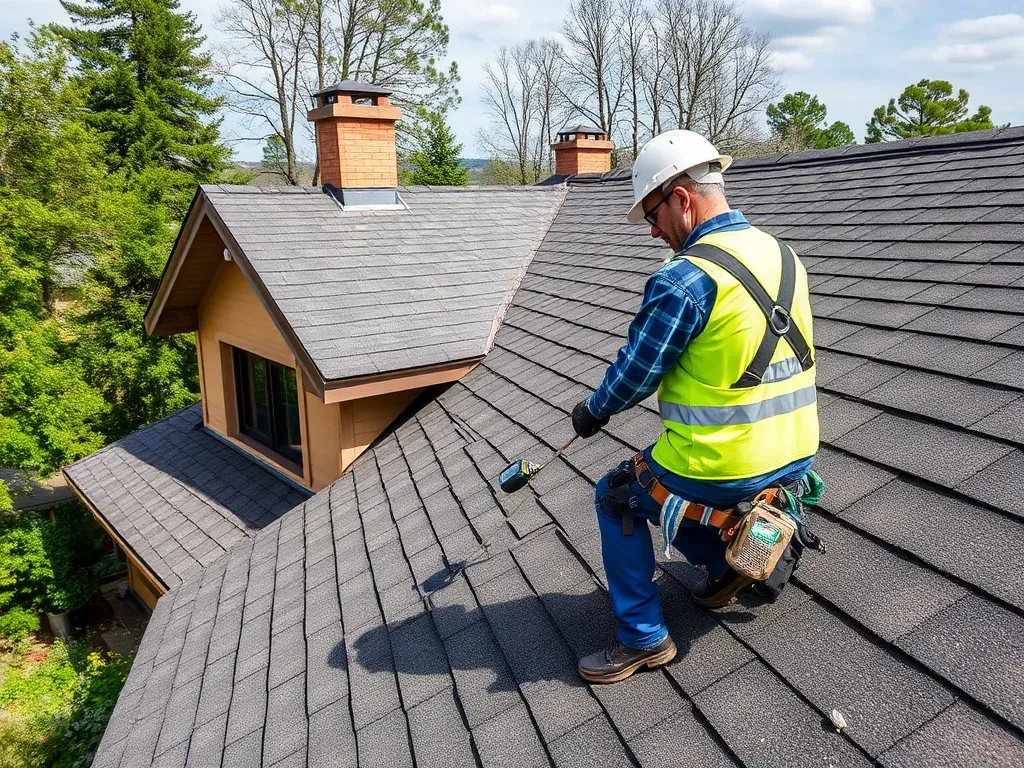
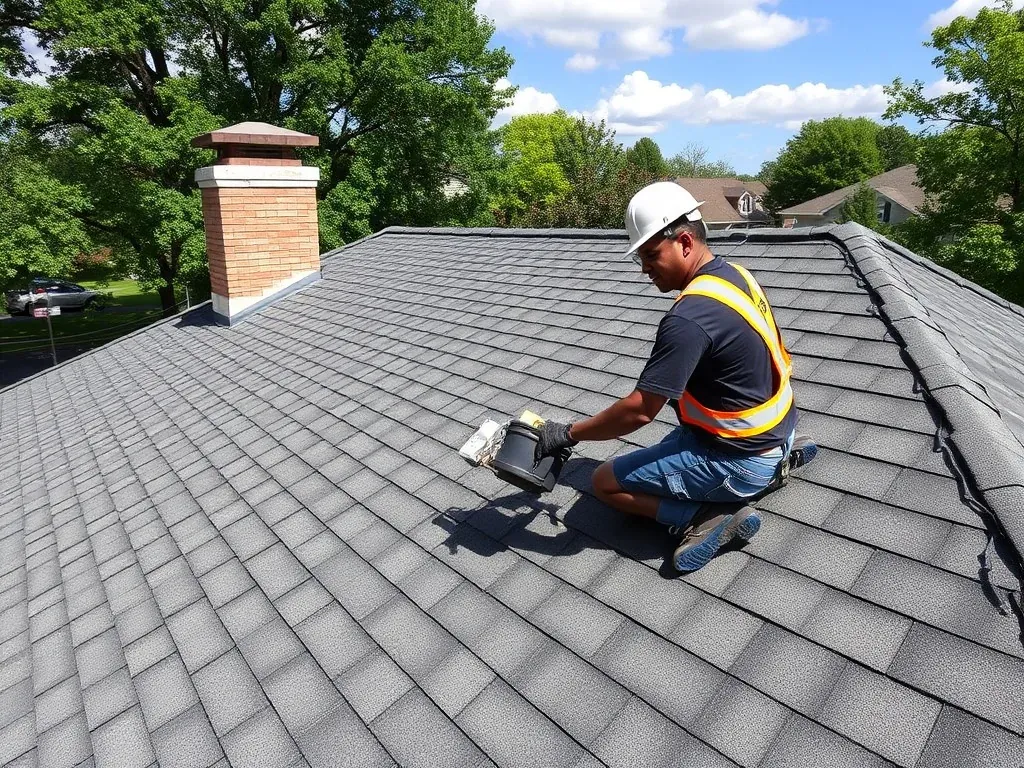
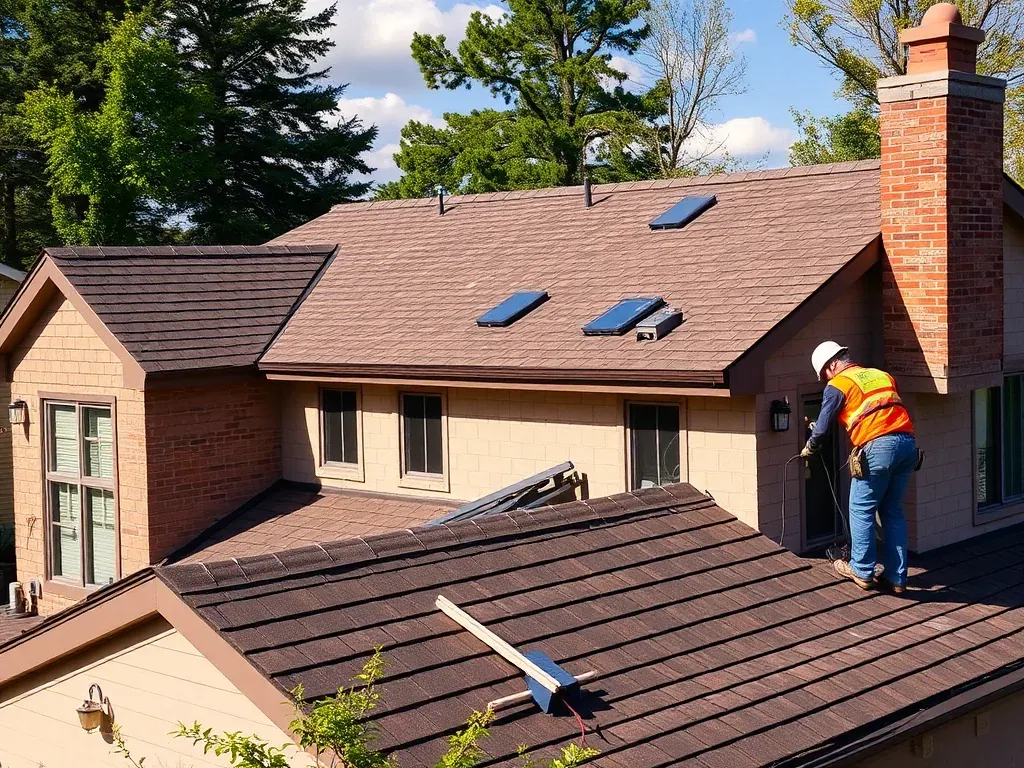
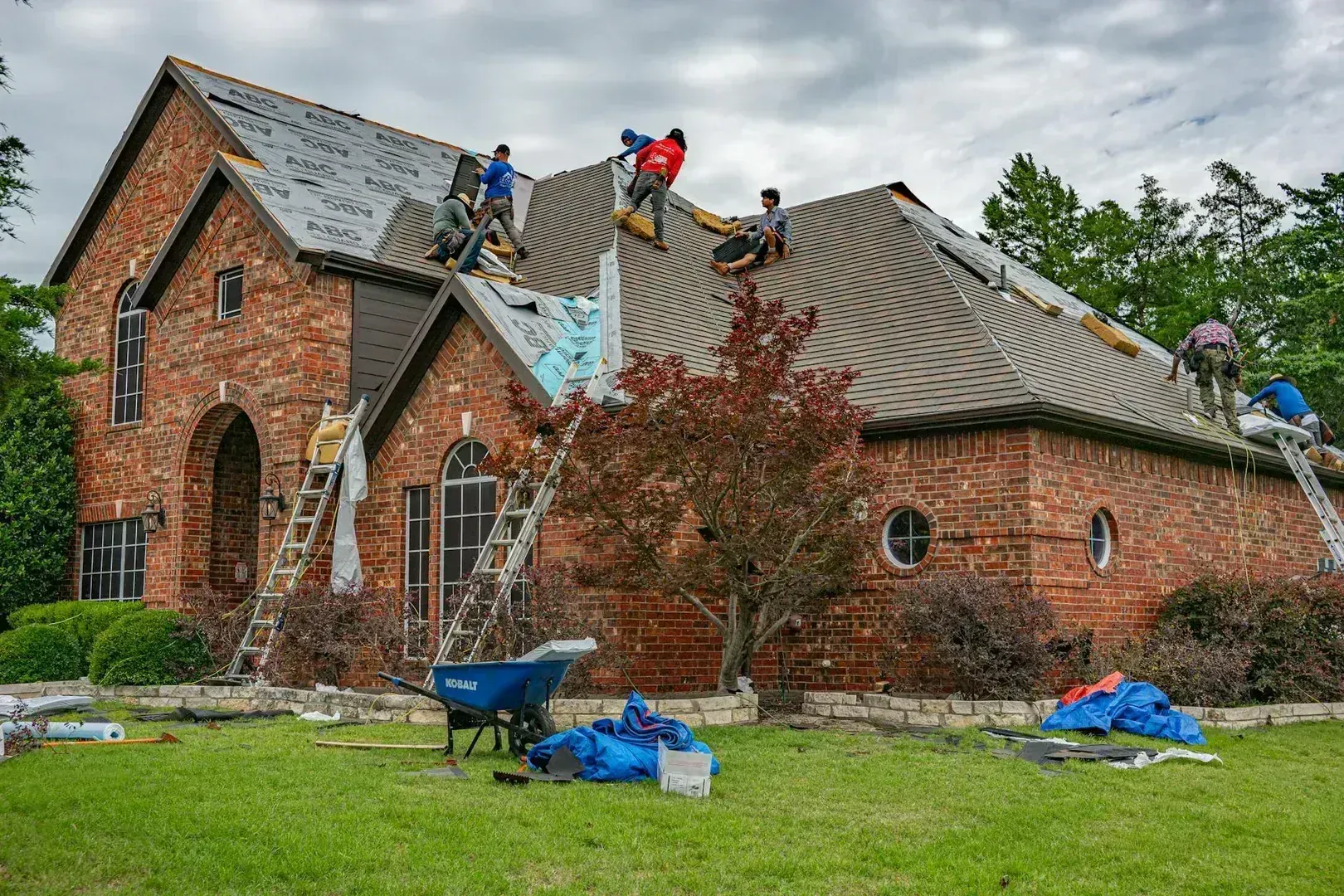
The work begins with a roof asset survey. We inspect the membrane, flashings, seams, and drainage. If the substrate is sound—no ponding water, no delamination—we prep the surface with power washing and primer. Then we apply the coating in two coats, at a wet mil thickness specified by the manufacturer. For most Denver roofs, that means 20–30 mils of cured film, applied with spray or roller.
Material options matter. Silicone coatings are the top choice for Denver because they resist ponding water and UV degradation. Acrylic elastomerics are cheaper but less durable in standing water. Polyurethane systems handle foot traffic and impact, making them ideal for rooftops with HVAC units. We match the coating to your roof type, slope, and exposure.
Signs You Need roof coating
Your roof is telling you it needs coating when you see:
- Ponding water that stays 48 hours after rain
- Membrane seams lifting or separating
- Blistering, alligatoring, or crazing on the surface
- Flashing pulling away at parapets or wall penetrations
- Interior staining along column lines or at roof drains
These are not cosmetic issues. Water seeps into the substrate, wicks along the insulation, and erodes the deck. Left alone, a small leak becomes a full replacement. Coatings arrest that process—if the membrane is still adhered and the insulation is dry.
Denver's climate accelerates wear. Hailstorms with marble-sized hail leave impact marks that crack the surface. Intense UV at 5,280 feet oxidizes the membrane, causing it to flake and spall. Sudden temperature swings—freeze-thaw cycles—make seams open and close, pulling fasteners loose. A coating system is a re-set button, buying you years before the big expense.
Our roof coating Process
We follow a documented process, not a guess.
- Roof asset survey. We walk the roof, take photos, and measure wet film thickness on existing coatings. We check for moisture in the insulation with a meter.
- Specification review. We write a coating spec based on the manufacturer's requirements—surface prep, primer, number of coats, cure time. You get a written proposal with material and labor broken out.
- Surface preparation. We power wash, scrape loose coating, and patch any blisters or open seams. We prime bare metal or concrete. This is where most coatings fail—skipping prep.
- System install. We apply the coating in two coats, with a roller or spray. We cover all fasteners, flashing, and penetrations. The crew uses ring-shank nails to re-secure any loose membrane before coating.
- Warranty enrollment. We register the system with the manufacturer. You get a NDL (No Dollar Limit) warranty for specified terms, covering material and labor.
We coordinate with your tenants—no surprises. We work around business hours, and we clean up daily. Most Denver roofs are coated in 2–4 days, depending on size and weather.
Cost Considerations in Denver
Roof coating costs $4.50–$8.00 per square foot for a commercial roof in Denver, installed. That includes surface prep, primer, and two coats. A 10,000-square-foot roof runs $45,000–$80,000—a fraction of the $150,000+ a full tear-off and replacement would cost.
Material is the biggest variable. Silicone costs more than acrylic, but it lasts longer and handles ponding water. Polyurethane is pricier still, but you may not need it unless you have heavy foot traffic. We'll tell you when a coating is the wrong call—if the membrane is delaminating or the insulation is wet, a coating won't fix it. You'd be throwing money at a dying roof.
Financing helps. We offer simple payment plans, and many Denver building owners use energy rebates or utility incentives for cool roofs. We'll help you document the project for any applicable programs.
Warranty & Insurance
Manufacturer warranties back the material—not just our workmanship. With GAF Unisil, Henry, or Tropical Roofing systems, you get a NDL warranty that covers material and labor for specified terms, typically 10–20 years. We handle the paperwork, so you're protected if a seam fails or a coating blisters.
Insurance is separate. If your roof is damaged by hail or wind, your policy may cover the coating as a repair or a part of a larger claim. We document everything with photos and measurements, and we work with your adjuster. We don't inflate claims—we just make sure you get what you're owed.
Why Choose Denver Roofing Team for roof coating in Denver?
We've coated roofs across Capitol Hill, Five Points, Cherry Creek, Washington Park, and Highland—from Victorian-era brick buildings to post-war commercial flat roofs. Denver's elevation and climate demand a crew that knows how to handle UV, hail, and freeze-thaw. We've been at it since 2018, and we've seen every failure mode a coating can suffer—and how to prevent it. We're licensed, insured, and we stand behind the work. You get a written spec, a schedule, and a clean job site. No hype, just a roof that lasts.
Signs You Need Roof Coating
Ponding Water After Rain
If water sits for 48 hours, the membrane is being overstressed. Coating systems with silicone can bridge small depressions, but large ponds need correction first.
Seam Separation
Membrane seams opening at laps or flashings are entry points for water. A coating can seal these—if the membrane is still adhered underneath.
Blistering or Alligatoring
Surface cracks and bubbles mean the membrane is oxidizing. Denver's UV at altitude accelerates this. A coating restores a watertight surface.
Flashing Pull-Away at Parapet
When flashing lifts, water runs behind the membrane. We reseal and coat these areas as part of the system.
Interior Staining at Column Lines
Stains on the ceiling below are a sign of a slow leak. A coating can stop it—if the insulation isn't saturated. We check with a moisture meter first.
Hail Impact Marks
Marble-sized hail leaves dents that crack the surface over time. Coating fills and seals these, preventing water intrusion.
What's Included
- ✓ Roof asset survey with condition report
- ✓ Drainage analysis and ponding water assessment
- ✓ Manufacturer specification and primer system selection
- ✓ NDL warranty enrollment with GAF Unisil, Henry, or Tropical
- ✓ Tenant notification coordination and daily clean-up
- ✓ ASTM testing for adhesion and moisture where applicable
Related Services
Ready to get started? Call us today at 7207840657 for a free estimate.
☎ Call 7207840657